Blogs
Blogs
Building a Single-Pane RED Dashboard for Microservices with OpenTelemetry and Semantic Conventions
Three months ago we had 34 microservices and 34 Grafana dashboards, each one hand-built by whoever owned that service at the time. Some had rate/error/duration panels. Some had CPU and memory but no latency. One had a pie chart of HTTP status codes that nobody had looked at in a year. When we had an incident that touched five services at 2am, the on-call engineer had to open five different dashboards, each with different label names (route vs path vs endpoint), different histogram bucket boundaries, and different naming for the same metric.
How We Cut Our Prometheus / VictoriaMetrics Storage Bill by 60% (Cardinality Audit Walkthrough)
The bill that made me open a support ticket with myself Last October our VictoriaMetrics cluster crossed 340 million active time series and our monthly infra cost for the storage tier hit $4,900. Nobody had approved that number. It just… grew, the way disk usage always grows, one Helm chart install at a time until finance asks why the “monitoring” line item is bigger than the “database” line item. I spent the better part of a week doing a cardinality audit on that cluster.

Fixing alert fatigue: what actually works
Every noisy alert your team learns to dismiss makes the real one easier to miss too. Here's how alert fatigue actually happens, and how to fix it.
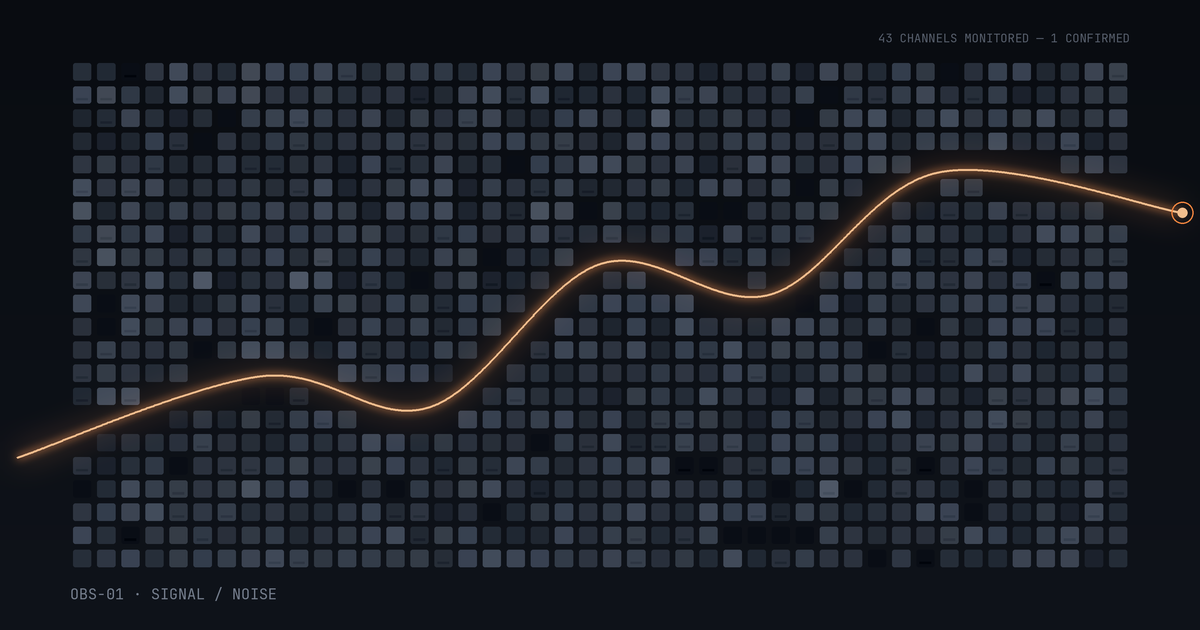
The Observability Paradox: Why Your Monitoring Bill Keeps Growing While MTTR Doesn't Improve
It’s 2:47 AM. Your phone lights up. PagerDuty, Opsgenie, Slack — take your pick. A checkout service is throwing 500s and revenue is bleeding in real time. You open the observability platform your company pays six figures a year for. Dashboards everywhere. Seventy open panels. Three different tools for logs, metrics, and traces that don’t talk to each other. Forty minutes later, you’re still trying to figure out which of the 40 microservices actually started the chain reaction.
ESP32-S3 Camera Pan-Tilt Security Tracker: Build a Smart ESP32 Weather Station
I set out to build a pan-tilt security camera with an ESP32-S3 and ended up creating a fully-fledged ESP32 weather station while I was at it. The idea was simple: I wanted to keep an eye on the packages that couriers keep leaving in the rain, but also to know exactly how wet and miserable those packages were getting. Adding a cheap temperature and humidity sensor to the camera mount turned the project into something far more useful—a smart weather station that could see and feel the conditions in my backyard.
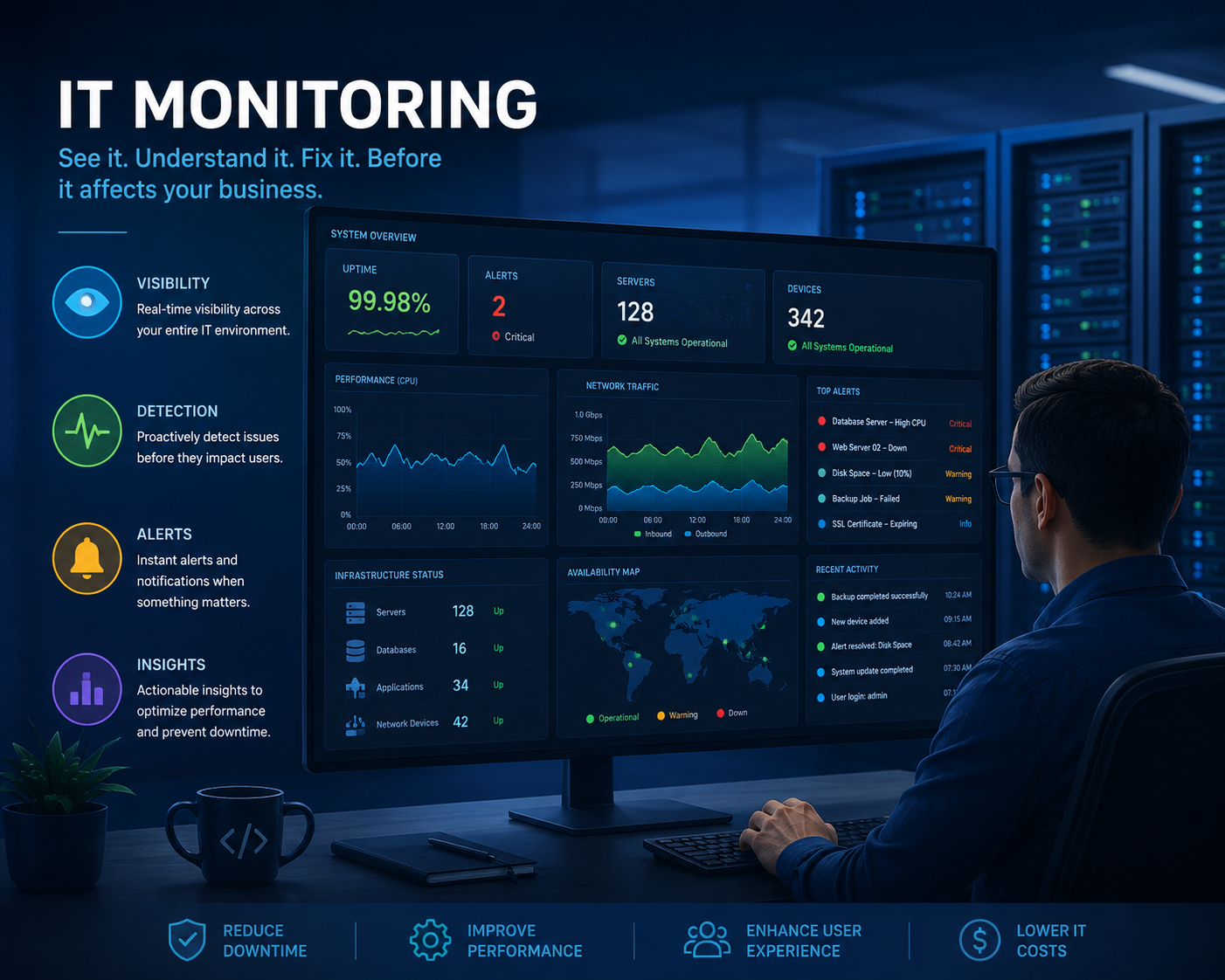
How to Build Your Infrastructure Monitoring in 2026
Every year I get asked the same question by teams starting from scratch: “we have Grafana, we have some dashboards, why do we still get paged for things we didn’t see coming?” Most of the time, the answer isn’t a missing tool. It’s a missing method. Teams jump straight to “let’s install Prometheus” or “let’s buy a SaaS observability platform” before answering a much simpler question: what does “healthy” actually mean for this business?
An Introduction to PWM: Controlling RGB LED Colors with an ESP32 Potentiometer
I’ll be honest: my first attempt to build an adjustable colored lamp ended with a dead LED and a faint smell of burnt hope. I’d hooked up an RGB LED straight to the ESP32’s GPIO pins, spun a potentiometer, and expected a smooth rainbow. Instead, I got a single angry flicker, then darkness. What I’d missed wasn’t just a current‑limiting resistor — it was the whole concept of Pulse Width Modulation (PWM).
From ESP32 Weather Station to Home Security Monitor with HC-SR501 PIR Sensor
A few months ago I cobbled together a simple ESP32 weather station that dutifully reported temperature and humidity to my Home Assistant dashboard. It worked great until my cat decided the breadboard was a better bed than the couch. While the weather station slowly transitioned into a fur-covered sensor graveyard, I needed something else to do with the spare ESP32 Development Board Module I had lying around. That’s when the idea hit me: why not repurpose the same hardware I used for a weather station into a dead‑simple motion alert system?
Smart Weather Station ESP32: Control High-Voltage Appliances with a 2-Way Relay
Last winter my garage turned into a walk‑in freezer every night because I’d simply forget to flip the heater switch before bed. I wanted something that didn’t just display the temperature but actually did something with it—so I set out to build an ESP32 weather station that reads the room conditions and physically switches a high‑voltage appliance. The result is a small, Wi‑Fi‑connected brain that uses a 5V 2‑way relay module to control a space heater and an exhaust fan.
Build a Smart Weather Station with ESP32 and DHT11 OLED Display
Introduction I’ve always been slightly obsessed with knowing the exact temperature of my office. Not the outside weather — I can open a window for that — but the microclimate around my desk, where the Wi‑Fi router and the afternoon sun conspire to turn summer afternoons into a slow roast. A few months ago I threw together a bare DHT11 dangling from my ESP32, just spitting readings to the serial monitor.